
Sports Massage Benefits for Chronic Back Pain Relief In Bath
- Physology

- Feb 1
- 7 min read
Updated: Feb 2

Before we dive in, we’d like to point you toward our Physology Sports Massage Page on the site. This page explains our full approach in depth and is specifically helpful for anyone exploring treatment options with Physology.
The blog post you are reading is written for readers everywhere, including those who may not be able to visit us in person. It offers only general information and insights.
If you’re based locally and considering treatment, we recommend checking out the Sports Massage in Bath page — it provides more in-depth detail on how we work and what you can expect from real, lasting, pain-free outcomes.
If that doesn’t apply to you, feel free to carry on reading and enjoy the article!
Living with ongoing pain from conditions like fibromyalgia or chronic back issues can leave every day feeling like a struggle. For those in Bath seeking more than temporary relief, fascia-based sports massage offers a targeted, evidence-based approach. Backed by research, these specialised techniques help address muscular imbalances and reduce inflammation, supporting better mobility and real recovery. Discover how professional intervention and fascia-focused pain management can transform your comfort and wellbeing.
Table of Contents
Key Takeaways
Point | Details |
Specialised Focus | Sports massage therapy is tailored for athletes, addressing specific musculoskeletal issues from repetitive activity and intensive training. |
Types of Massage | Different massage types include pre-event, post-event, maintenance, and rehabilitation, each serving unique purposes for athletic performance and recovery. |
Chronic Pain Relief | Targeted sports massage techniques can significantly alleviate chronic pain by addressing muscular tension, inflammation, and underlying physiological barriers. |
Risks and Considerations | Personalised assessments are crucial as sports massage may not be suitable for everyone, especially those with certain medical conditions. |
What Is Sports Massage Therapy?
Sports massage therapy is a specialised manual intervention designed to support athletes and active individuals through targeted soft tissue manipulation. Unlike traditional massage, it focuses on addressing specific musculoskeletal challenges caused by repetitive physical activity and intense training regimens. Soft-tissue manipulation techniques are applied to muscles, tendons, ligaments, and fascia to improve overall physical performance and recovery.
The core objectives of sports massage extend beyond simple relaxation. These techniques aim to:
Correct muscular imbalances
Reduce soft tissue tension
Improve flexibility and range of motion
Accelerate recovery from physical exertion
Prevent potential sports-related injuries
Professional sports massage therapists employ a range of sophisticated techniques tailored to an individual’s specific athletic needs and physical condition. These may include deep tissue manipulation, trigger point therapy, myofascial release, and strategic stretching protocols. Research indicates that while massage may not directly enhance strength or endurance, it significantly improves flexibility and reduces delayed-onset muscle soreness (DOMS).
Pro tip: Communicate clearly with your sports massage therapist about your specific athletic goals and any existing physical limitations to ensure a personalised and effective treatment approach.
Different Types of Sports Massage in Bath
Sports massage encompasses several specialised techniques designed to address different stages of athletic performance and recovery. Types of sports massage are strategically designed to support athletes across various physical conditions and training phases, each serving a distinct purpose in maintaining optimal muscle health and performance.
The primary categories of sports massage include:
Pre-event massage: Focuses on warming up muscles and preparing the body for intense physical activity
Post-event massage: Facilitates recovery and reduces muscle soreness after competitive or training events
Maintenance massage: Supports ongoing muscle health and flexibility during regular training periods
Rehabilitation massage: Targets specific injury recovery and chronic muscle tension
Each massage type utilises distinct techniques tailored to specific athletic needs. Pre-event massages typically involve fast, rhythmic strokes to stimulate muscles and increase blood flow, while post-event techniques use slower, deeper manipulations to promote recovery and reduce inflammation. Maintenance massages are particularly crucial for athletes engaged in regular, intense training, helping prevent injuries and maintain muscular flexibility.
Professional sports massage therapists carefully assess an individual’s specific physical requirements, adapting their approach to provide targeted intervention. By understanding the nuanced differences between these massage types, athletes can optimise their physical preparation, performance, and recovery strategies.
Here’s a summary of how various sports massage types support different athletic needs:
Massage Type | Main Purpose | Typical Techniques | Best For |
Pre-event | Prepare for activity | Fast, rhythmic strokes | Warm-up and readiness |
Post-event | Aid in recovery | Slow, deep manipulation | Reducing soreness |
Maintenance | Ongoing muscle care | Stretching, moderate work | Flexibility upkeep |
Rehabilitation | Target injury recovery | Trigger point, tissue work | Injury and stiffness |
Pro tip: Communicate your specific training goals and current physical condition with your massage therapist to receive the most personalised and effective sports massage treatment.
How Sports Massage Relieves Chronic Pain
Chronic pain sufferers can find significant relief through targeted sports massage techniques that address underlying muscular tension and inflammation. Sports massage therapy employs sophisticated manual manipulation strategies designed to break down physiological barriers contributing to persistent pain conditions.
The primary mechanisms by which sports massage alleviates chronic pain include:
Increasing blood circulation to affected muscle groups
Reducing muscle tension and adhesions
Stimulating lymphatic drainage
Breaking down inflammatory build-up
Promoting natural tissue repair processes
Releasing trapped neural tension
Massage therapists utilise specific techniques like effleurage, petrissage, and deep tissue manipulation to target chronic pain at its source. These methods work by directly addressing muscle knots, fascial restrictions, and areas of persistent tension that contribute to ongoing discomfort. By applying carefully controlled pressure and strategic manipulation, therapists can help reset muscular tension patterns and support the body’s natural healing mechanisms.

Moreover, sports massage goes beyond temporary symptom relief by addressing the root biomechanical issues underlying chronic pain. Muscle Energy Techniques combined with targeted massage can significantly improve joint mobility, reduce inflammation, and restore functional movement patterns, offering hope for individuals struggling with long-term pain conditions.
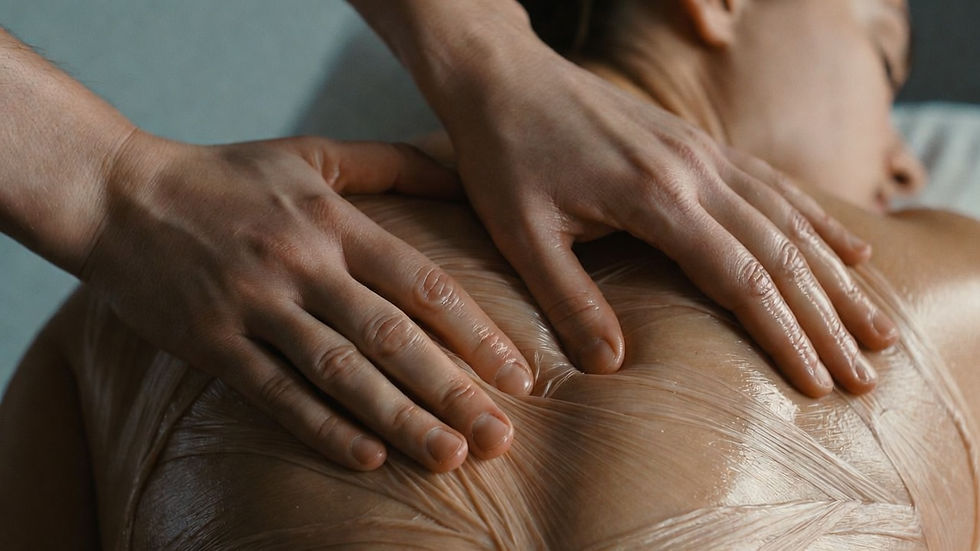
Pro tip: Communicate your specific pain history and movement limitations with your massage therapist to develop a personalised treatment approach targeting your unique chronic pain challenges.
Fascia-Focused Techniques for Pain Management
Pain management through fascia-focused techniques represents a sophisticated approach to addressing chronic musculoskeletal conditions. Fascial Manipulation techniques offer a targeted intervention that goes beyond traditional massage, directly addressing the underlying physiological changes that contribute to persistent pain.
The key fascia-focused techniques for pain management include:
Myofascial Release: Gentle sustained pressure to eliminate fascial restrictions
Trigger Point Therapy: Targeting specific tension points within fascial networks
Deep Tissue Manipulation: Breaking down fascial adhesions and restrictive patterns
Neuromuscular Re-education: Resetting movement patterns stored in fascial memory
Fascial Sliding Techniques: Improving tissue mobility and reducing neural tension
Understanding fascia as a pain-relevant tissue is crucial to comprehending these interventions. Fascial densification occurs when connective tissues become restricted, generating chronic pain signals and limiting movement. Therapists skilled in fascia-focused techniques can identify and address these microscopic changes, promoting improved tissue sliding and reducing neuroinflammation.
Chronic pain research reveals that fascial techniques can target both peripheral and central pain sensitisation mechanisms. By addressing the complex neurological and physiological changes underlying chronic pain, these methods offer a holistic approach to pain management that extends beyond symptomatic treatment.
Pro tip: Request a comprehensive fascial assessment from your therapist to develop a personalised treatment strategy that addresses your unique pain patterns and movement limitations.
Risks, Contraindications and Common Misconceptions
Sports massage therapy requires careful consideration of potential risks and individual health conditions. While an effective treatment for many, it is not a universal solution and demands professional assessment and a personalised approach to ensure safe and beneficial application.
Common contraindications for sports massage include:
Acute inflammatory conditions
Open wounds or unhealed injuries
Active infections
Blood clotting disorders
Advanced stages of cancer
Severe cardiovascular conditions
Recent surgical procedures
Acute herniated disc or spinal injuries
Absolute contraindications represent conditions where massage must be entirely avoided, while relative contraindications suggest modified or cautious approaches may be possible under professional guidance. Professional therapists conduct thorough health screenings to determine individual suitability and minimise potential risks.
Massage therapy research highlights several persistent misconceptions about sports massage. Contrary to popular belief, massage does not directly enhance strength or endurance, but it can improve flexibility, reduce muscle soreness, and support recovery. Understanding these nuanced benefits helps patients develop realistic expectations about treatment outcomes.
Pro tip: Always disclose your full medical history and current health conditions to your massage therapist to ensure a safe and personalised treatment approach.
Discover Lasting Relief From Chronic Pain With Expert Sports Massage
If you have been struggling with persistent muscle tension and chronic pain, understanding the crucial role of fascia and soft tissue manipulation can transform your recovery journey. This article highlights how targeted sports massage techniques, such as myofascial release and trigger point therapy, can reduce pain and improve mobility by addressing underlying muscular imbalances and fascial restrictions.
At Physology Bath, we specialise in fascia-focused therapies, backed by decades of clinical expertise and innovative methods, designed to address the root causes of long-term pain conditions such as fibromyalgia and back pain. We integrate advanced manual techniques, inspired by concepts such as Tom Myers’ Anatomy Trains, to reset dysfunctional movement patterns and enhance recovery beyond traditional massage benefits.

Take control of your chronic pain now. Explore our unique Physology Method, which combines fascia treatment with proven modalities for deep, lasting relief. Visit Physology Bath today to learn more and book your personalised consultation. Your journey to more comfortable movement and renewed quality of life starts here.
Frequently Asked Questions
What is sports massage therapy?
Sports massage therapy is a specialised form of massage designed to support athletes and active individuals by using soft-tissue manipulation to enhance performance and recovery.
How does sports massage help relieve chronic pain?
Sports massage helps relieve chronic pain by increasing blood circulation, reducing muscle tension, stimulating lymphatic drainage, and promoting natural tissue repair processes, targeting the source of discomfort.
What techniques are used in sports massage for pain management?
Techniques such as myofascial release, trigger point therapy, deep tissue manipulation, and neuromuscular re-education are commonly used in sports massage to manage chronic pain effectively.
Are there any risks or contraindications associated with sports massage therapy?
Yes, there are potential contraindications, including acute inflammatory conditions, open wounds, active infections, and certain medical conditions. It’s essential to consult a professional therapist for assessment before treatment.
Recommended


Comments